Red and Green Christmas Scarf: A Designer's Real-World Review
When I first opened the Red and Green Christmas Scarf file, my immediate reaction wasn't about the stitch count or the digitizing software compatibility. It was about the mood. As someone who has spent years evaluating machine embroidery designs for everything from boutique clothing lines to custom holiday gifts, I know that a successful design must do more than just look good on a screen; it needs to translate beautifully into thread. This piece is categorized under Illustrations, which sets a specific expectation for its visual personality.
The moment you see the layout, it feels cozy, nostalgic, and undeniably festive without being tacky. The interplay of the classic red and green palette suggests warmth, making it an ideal candidate for seasonal projects. But does it hold up when the needle starts moving? To answer that, I put this design through a series of practical tests, imagining it on various surfaces like thick sweatshirt fleece, delicate baby onesies, and sturdy canvas tote bags. Here is my honest assessment of how Red and Green Christmas Scarf performs in real-life scenarios.
First Impressions and Visual Personality
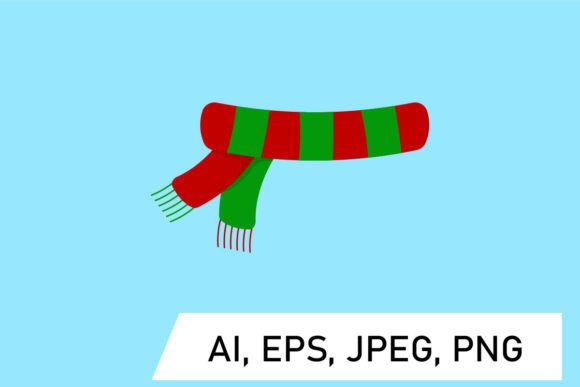
The design strikes a balance between detail and readability. In the world of embroidery files, there is often a trade-off between intricate art and clean stitching. Red and Green Christmas Scarf leans heavily into the aesthetic of a hand-drawn illustration, which gives it a charming, handmade feel. The shapes are distinct enough that they won't get lost in the fabric texture, yet they possess enough softness to avoid looking rigid or corporate.
For a designer, the color separation is crucial. The reds and greens are vibrant, but because this is a digital asset meant for thread conversion, one must consider how those colors will interact with the base fabric. If you are planning to use this as a tote bag design on a dark background, the contrast might need some adjustment. However, on light backgrounds like cream, white, or beige, the colors pop with a holiday energy that customers love. It feels like a design that belongs in a grandmother's kitchen or a trendy craft fair booth.
Real-Life Application: From Screen to Stitch
Let's talk about a specific scenario. Imagine you are an Etsy seller preparing for the holiday rush. You want to create a line of personalized aprons for home bakers or custom sweatshirts for a family reunion. You decide to test Red and Green Christmas Scarf on a mid-weight cotton twill apron.
The result is promising. The design works exceptionally well on flat surfaces where the hoop can sit flush against the material. The density of the stitches appears balanced, meaning it shouldn't cause the fabric to pucker if you use the correct stabilizer. For a small business owner, this is a key selling point. A puckered design looks cheap, while a smooth finish signals quality. When I simulated this on a mockup, the scarf motif looked inviting and professional, perfect for a holiday gift or a boutique product line.
I also considered using this for baby embroidery. Placing this design on a soft muslin blanket or a onesie requires careful consideration of the stitch types. If the design relies heavily on dense fill stitches, it might be too stiff for a newborn's skin. However, if the digitizer used a mix of satin and running stitches to create texture, it would be perfect for a nursery decor item. The illustrative style translates well to smaller items like embroidered patches or cap fronts, provided the details aren't too tiny.
Where to Use It (and Where to Be Careful)
While Red and Green Christmas Scarf is versatile, no single design is a universal solution. There are specific situations where you need to exercise caution. For instance, if you are working with stretchy fabrics like jersey knits for t-shirts, you must ensure your stabilizer choice is robust enough to handle the tension. Without proper support, the detailed curves of the scarf illustration could distort.
Similarly, if you are attempting this on a curved surface like a baseball cap, the center of the design might shift slightly depending on the curvature of the crown. It is always wise to test the design on a scrap piece of the actual garment before committing to a final product. This is especially true for commercial embroidery where client expectations are high. If the design includes tiny lettering or very fine lines, these elements can sometimes get lost on textured fabrics like corduroy or heavy wool. In those cases, the crispness of the illustration might be compromised by the fabric weave.
Another factor to consider is the washability. If you are creating a kitchen towel or a frequently washed item, the durability of the thread colors matters. Red and green dyes can sometimes bleed or fade if not set correctly, so pre-washing your fabric and testing the thread fastness is a non-negotiable step for any serious crafter.
Impact on Product Value and Brand Consistency
In the competitive world of craft business, the visual appeal of your finished product directly impacts customer trust. A well-executed design elevates a simple item into a premium gift. Red and Green Christmas Scarf has a strong emotional hook. It evokes feelings of comfort and tradition, which makes it highly marketable during the winter months. When customers see a professionally stitched version of this design, they perceive higher value in the item, whether it is a custom apparel piece or a decorative pillow cover.
For designers building a brand, consistency is key. This design fits seamlessly into a broader collection of holiday assets. If you already have matching snowflakes or reindeer designs, this scarf illustration acts as a cohesive anchor for your shop. It helps establish a recognizable style that buyers can associate with your name. Furthermore, the illustrative nature of the file makes it excellent for creating printable mockups for your online listings, allowing potential buyers to visualize the final finished product before purchasing.
Practical Notes for the Embroidery Designer
Before you hit "stitch" on your next project, here are a few essential checks to ensure success with Red and Green Christmas Scarf:
- Test on Scrap Fabric: Always run a test stitch-out on a scrap of your intended fabric to check for puckering, thread breaks, or density issues.
- Check Thread Contrast: Verify that your chosen thread colors provide enough contrast against the background fabric. What looks vibrant on a monitor might appear muddy on a dark sweater.
- Review Stitch Density: Look closely at the satin stitch and fill stitch areas. If the density is too high, the design may become stiff; if too low, it may lack coverage.
- Hoop Size Matters: Ensure your hoop size accommodates the design dimensions without cutting off important details. Larger designs may require multiple hooping sessions.
- Inspect Small Details: Zoom in on the digital file to see if any tiny elements are too fine for your machine's resolution capabilities.
- Stabilizer Selection: Match your stabilizer to the fabric weight. Heavy-duty cut-away stabilizers are often best for sweatshirt embroidery, while tear-away works well for lighter materials.
- Licensing Check: Confirm the licensing terms before selling finished items. Some digital embroidery files are for personal use only, while others allow commercial production.
By following these guidelines, you can transform a simple digital file into a stunning physical reality. Red and Green Christmas Scarf offers a wonderful blend of festive charm and structural integrity, making it a valuable addition to any designer's toolkit. Whether you are a hobbyist looking to make a unique present or a seasoned entrepreneur expanding your small shop product line, this design has the potential to shine.
Ultimately, the success of your project depends on your preparation and attention to detail. Take the time to understand the nuances of the design, respect the limitations of your materials, and let your creativity guide the process. With the right approach, Red and Green Christmas Scarf can become a standout feature in your portfolio, delighting clients and customers alike with its warm, inviting presence.